- New arrival
- SaleNew arrival
- Reupholstery

DESIGNER FURNITURE
Designer furniture occupies a special place, particularly in Denmark. There is a certain paradox: many pieces were originally conceived for ordinary people and their designs became part of the national consciousness, yet the original classics are now reserved for those able to make a significant investment. Many now increase in value the longer they remain in the living room.
The right designer furniture with the right patina can multiply in value while continuing to be enjoyed every day.
DANISH DESIGNER FURNITURE AROUND THE WORLD
The great wave of Danish design swept across the country – and the world – during the middle four decades of the 20th century. This modernist movement drew on functionalism, the Bauhaus and, above all, Kaare Klint’s ideas about form and function. As a teacher at the Royal Danish Academy’s School of Furniture Design, Klint shaped the coming generation of furniture designers.
That generation would prove the greatest of all, and Klint’s students included Hans J. Wegner and Børge Mogensen, who embraced his principles of function with particular conviction.
Kaare Klint created the Faaborg Chair in 1914, often described as Denmark’s first piece of designer furniture. His greatest contribution, however, was his unwavering emphasis on function and the people who use furniture, which informed the remarkable design story spanning the 1940s to the 1970s.
DESIGNER FURNITURE BY JACOBSEN, WEGNER AND THEIR PEERS
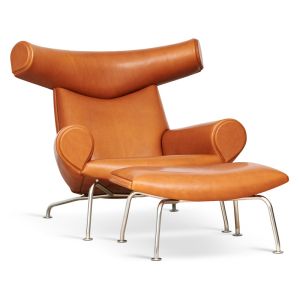
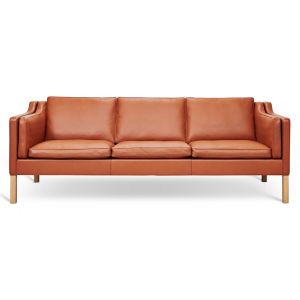
Arne Jacobsen and Hans J. Wegner won international acclaim, while Børge Mogensen arguably influenced how Danes lived with designer furniture more than anyone else.
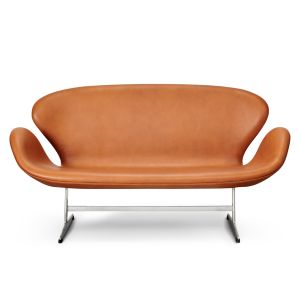
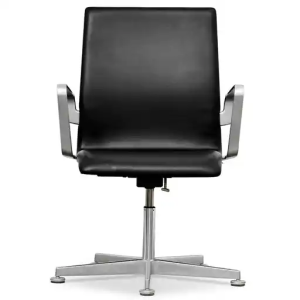
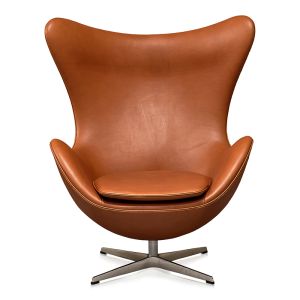
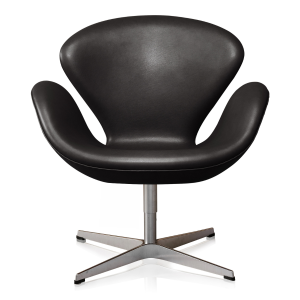
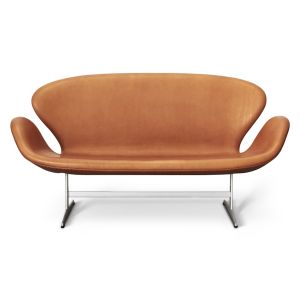
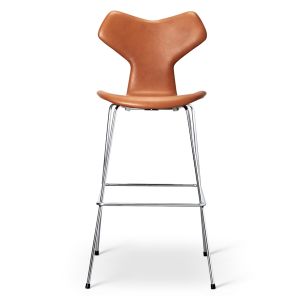
Danish design encompassed a remarkable breadth, varying from one designer and decade to the next. Its great classics range from Kaare Klint’s and Børge Mogensen’s almost elemental Safari and Hunting Chairs to Arne Jacobsen’s space-age furniture, including the Egg Chair, Swan Chair and the Drop – not to mention Verner Panton’s almost extravagant creations.
These were decades of exceptional chairs, lighting and new thinking about furniture and design. Interested in the leading names who shaped Danish furniture in the mid-20th century? Find inspiration and learn more about the era’s great designers here.
FURNITURE AND DESIGN FROM DENMARK’S GOLDEN AGE
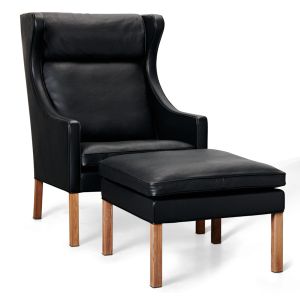
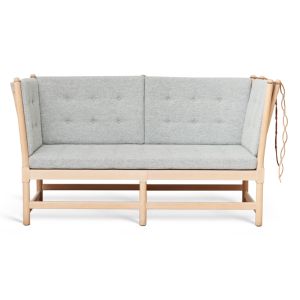
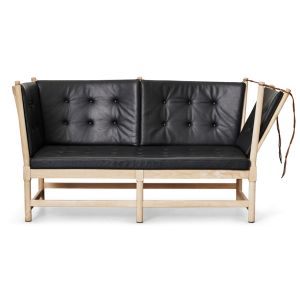
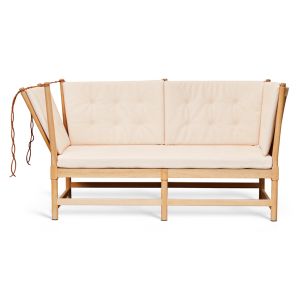
Danish designer furniture encompassed it all: Børge Mogensen’s work for FDB, intended to bring quality to the people; his Spoke-Back Sofa, which became emblematic of the intellectual newspaper reader; and his Wing Chair, now a symbol of understated luxury.
It was Wegner’s Peacock Chair, insisting on playfulness within modernism’s otherwise serious expression. It was the Round Chair, broadcast around the world during the Kennedy–Nixon debate, and the Wishbone Chair, which continues to delight audiences worldwide.
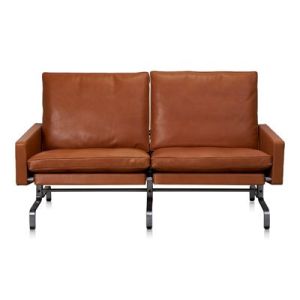
It was every one of Arne Jacobsen’s masterpieces, large and small; Kjærholm’s and Volther’s uncompromising minimalism and floating forms; and Verner Panton’s kaleidoscopic furniture catalogue.
The finest furniture of Denmark’s golden age possessed a kind of minimalist optimism and found resounding success as exclusive designer furniture around the world.
THE YEARS OF DECLINE AFTER THE GOLDEN AGE
Every era ends, and after the 1970s the world appeared ready for a respite from organic forms, timber and the other hallmarks of Danish modernism. Some designer furniture retained a devoted following, but the movement had broadly lost momentum. Italy’s Memphis movement vividly illustrates how far taste swung in the opposite direction.
During these 15-20 years, many people discarded their classic designer furniture, with numerous pieces even ending up in landfill. It is easy to imagine how many now regret treating such valuable furniture so casually.
Many chairs, tables, sofas and other pieces from leading makers have consequently languished ever since. Do you own furniture in need of expert care? ReCollection offers restoration and upholstery for a wide range of designer pieces. Read how we make a Børge Mogensen sofa, for example, look and feel renewed.
THE RETURN OF DANISH DESIGNER FURNITURE
The aesthetic of the 1980s proved short-lived, and the 1990s reached back towards design’s golden age. Danish modernism’s great strength is its foundation in function and minimalist style. This gives the furniture unusual longevity and broad appeal; as soon as resistance to the earlier era subsided, the Danish classics were missed.
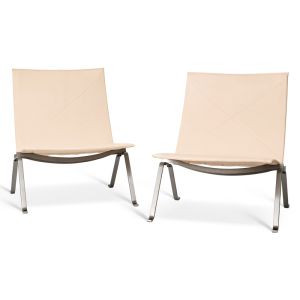
The context had changed, and thanks to the furniture’s enduring design, one need not live in a period setting to own an Egg Chair, Wishbone Chair and PK22. These beautiful designs complement almost any interior, and since returning in the 1990s they have never left the stage. On the contrary, affection for the classics appears only to be growing.
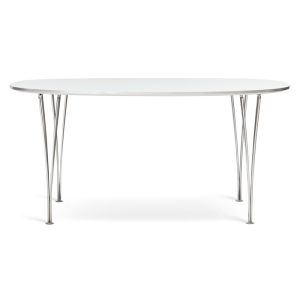
There are many possible reasons, not least the furniture’s exceptional versatility. Arne Jacobsen’s shell chairs and Piet Hein’s Ellipse table suit Scandinavian minimalism perfectly, while the Egg Chair, Wishbone Chair and Spanish Chair sit just as naturally in interiors defined by sustainability, warmth and natural materials.
Nor should one underestimate how these classics combine nostalgic appeal with forward-looking design, as seen in Arne Jacobsen’s furniture, which can still appear almost futuristic. The affection for mid-20th-century design that has endured for nearly two decades may fade for a time, but the furniture’s status has changed forever: these pieces are now Danish design classics.